2026 The Year of the Horse
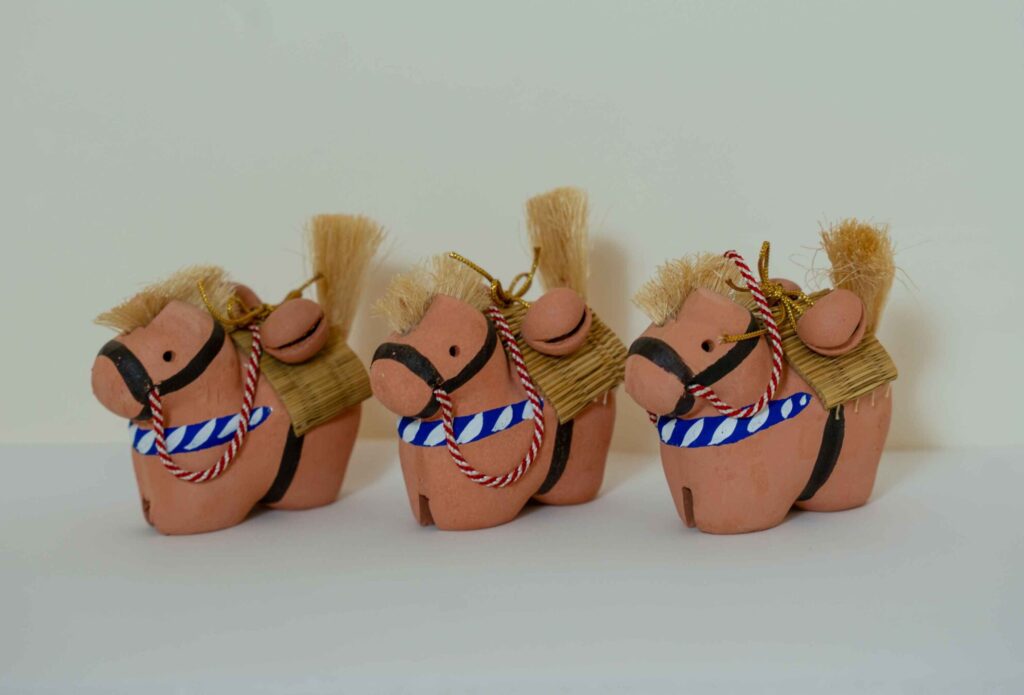
Open to the Public Saturday, January 31, 2026 – Sunday, April 26, 2026
Many people are familiar with the Gregorian calendar used in Europe and North America, which is a solar calendar based on earth’s orbit around the sun. A solar year is 365 days long. The lunar calendar follows the movements of the moon and is approximately 354 days in duration. The lunar calendar was used from 604 C.E., however, in 1873 the nation officially changed to the solar calendar. 2026 is the Year of the Horse in the Chinese zodiac system, also used in Japan. To celebrate, images of horses will be featured in the Kohnken gallery. Objects will include paintings, prints, sculptures, textiles and banners. In particular, it is the year of the Fire Horse, which is associated with strong, fiery, and dynamic personalities. People born in a Fire Horse year (like 1966 or 2026) are believed to be intelligent, charismatic, and enthusiastic, with a strong desire for freedom and independence. They are often seen as adventurous, quick-witted, and ambitious, but can also be impulsive and stubborn.
In this gallery you will find an assortment of different materials to celebrate the Year of the Horse. Look for ceremonial objects, toys, paintings, woodblock prints, small sculptures, decorations and a banner. The objects came from various donors including the Mary and Jackson Burke Foundation, Mr. & Mrs. Mike Marcus, and Thomas Winant – as well as Museum Purchases funded by our members. All of the objects are part of the Morikami Museum Collection and were received between 1984 and 2025.
Japanese Cast Iron Revisited
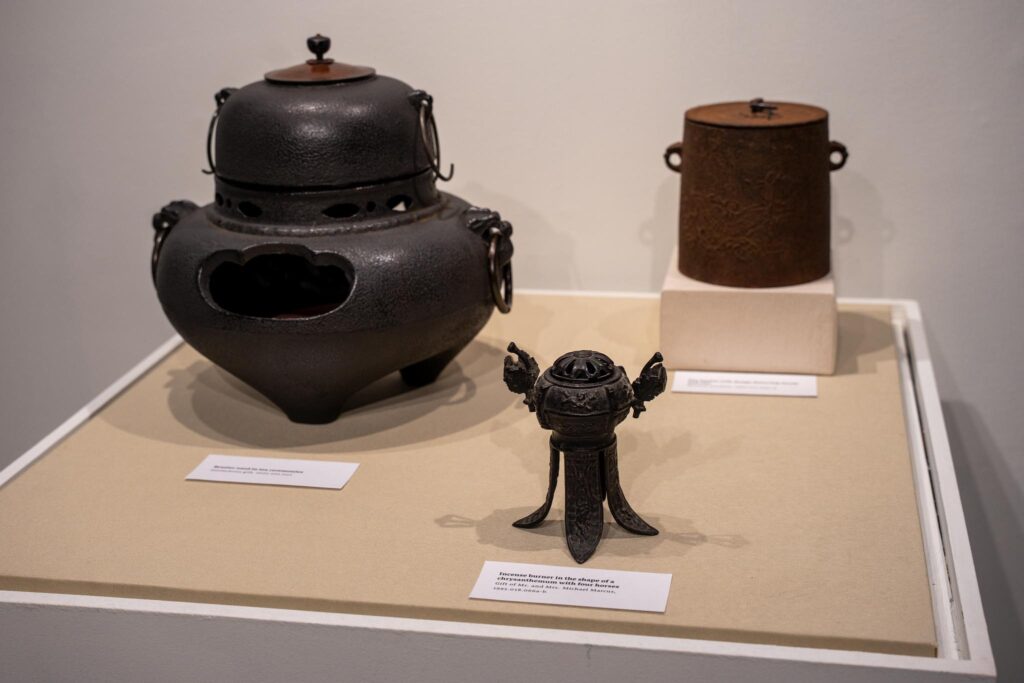
Saturday, December 20, 2025 – Sunday, May 31, 2026
Visitors to the Yamato-kan have the opportunity to see and learn about Japanese cast iron objects from the Morikami Museum Collection. The use of iron to create farm tools and other daily implements dates to the Yayoi period (900 BCE to 248 CE) of Japan’s history. Later periods saw the rise in creating iron weapons and armor as well as items used in Buddhist temples. By the Edo period (1603-1868), iron workers and foundries found an ideal market in iron pots (釜 kama) and cast iron tea kettles (鉄瓶 tetsubin) as the demand for their use in tea ceremonies grew. Japanese Cast Iron Revisited showcases select pieces from the Morikami Collection, with a focus on tea kettles. On display now in the Yamato-kan.