Yōkai: Scenes of the Supernatural in Japanese Woodblock Prints
Open to the public Saturday, May 9, 2026 – Sunday, August 30, 2026
Member Preview Day: Friday, May 8, 2026
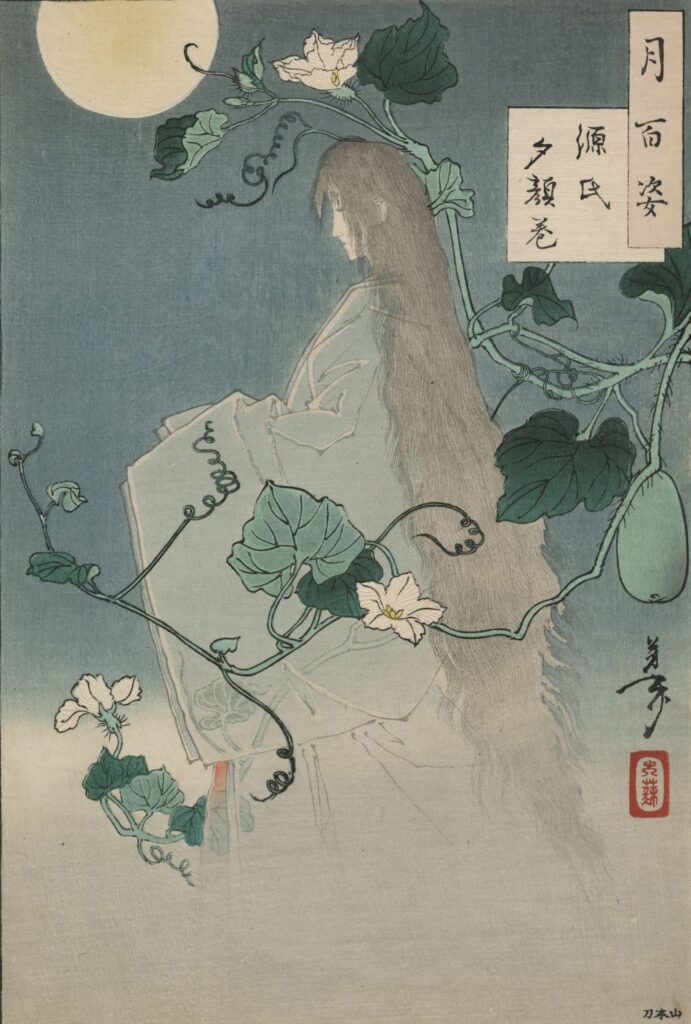
Yōkai are mysterious phenomena and bizarre beasts that have inhabited Japan’s landscapes, homes, folklore and imagination for many centuries. They can be evil or benign spirits, ranging from shape-shifting animals to vengeful ghosts. Many of these creatures and their activities have been described in folklore, legends and historical texts, gradually becoming the subjects of paintings and theater. This exhibition presents 90 works—featuring woodblock prints and printed books (e-hon) spanning over 250 years—that explore the realm of the supernatural.
In the Edo period (1603-1868), the spread of woodblock printing fostered a highly literate population, spurring publishers to mass-produce woodblock prints and illustrated books depicting scenes of the modern world as well as popular literature and legends. By the 19th century, characters and scenes of the supernatural became hugely popular, and books and prints made them accessible to a wide audience. Celebrated artists like Katsushika Hokusai (1760-1849) and Tsukioka Yoshitoshi (1839-1892) filled their designs with creepy – and sometimes comical – creatures, devilish demons and grotesque ghosts. Many of their yōkai have inspired depictions in manga and anime today.
The prints and printed books in this exhibition are from the collection of Scripps College in Claremont, California and are used in classes to teach students not only the history of Japanese art, but also traditional literature, theater and belief systems. Scripps College was founded in 1926 by Ellen Browning Scripps, a pioneering philanthropist and influential figure in the worlds of newspaper publishing, education, and women’s rights. The mission of Scripps College is to “develop in its students the ability to think clearly and independently, and the ability to live confidently, courageously, and hopefully.”
We would like to acknowledge the vision of Curator Meher McArthur in gathering this coterie of creepy creatures and revealing their secrets. At the Williamson Gallery we thank Academic Curator Margalit Monroe for organizing the YŌKAI traveling exhibition; our deep appreciation to Interim Director Kirk Delman, Getty Curatorial Intern Maya Pal SC ’23, Getty Visual Resources Intern Alyssa Damore USCLB ’23, and Getty Collections/Conservation Intern Katherine Cordova-Arcinue SC ’23 for ensuring the pieces were ready for travel; special thanks to illustrator Mica Barrett SC ’23 for designing an educational guide and enchanting it with original coloring book creations; Netra Bhat USC ’23 for diligent glossary research; and Emma Dubery SC ’19 for giving this concept a spark of life.
The prints and printed books in this exhibition are from the collection of Scripps College in Claremont, California.
This exhibit is made possible with the support from Herni & Tomoye Takahashi Charitable Foundation and the E. Rhodes and Leona B. Carpenter Foundation.
Courage & Compassion: Our Shared Story of the Japanese American World War II Experience
Open to the public Saturday, May 9, 2026 – Sunday, August 30, 2026

Member Preview Day: Friday, May 8, 2026
Courage and Compassion chronicles the stories of Japanese Americans during and immediately after WWII, and highlights the bravery, integrity and extraordinary support of Japanese Americans within communities across the country during that turbulent time. Japan’s bombing of Pearl Harbor on Dec. 7, 1941, plunged the United States into WWII and forever changed the lives of Japanese Americans across the nation. Those living on the West Coast of the mainland United States were forced from their homes to isolated incarceration camps scattered across the American West and South. Denied their Constitutional rights and imprisoned without trial, approximately 120,000 residents of Japanese ancestry–nearly two-thirds of whom were American citizens–were forced to leave their lives behind simply because they looked like the enemy.
Through images, audio and interactive elements, Courage and Compassion provides a 360-degree perspective of the WWII experience of Americans of Japanese ancestry while exploring its relevance today. The exhibition honors everyday people in cities and towns across America who rose above the wartime hysteria to recognize Japanese Americans as friends, neighbors and fellow citizens.
This exhibition is made possible through a collaboration between Go for Broke National Education Center and the Morikami Museum and Japanese Gardens. This project was funded, in part, by a grant from the U.S. Department of the Interior, National Park Service, Japanese American Confinement Sites Grant Program.
This exhibit is made possible with the support from Herni & Tomoye Takahashi Charitable Foundation and the E. Rhodes and Leona B. Carpenter Foundation.
Japanese Cast Iron Revisited
Saturday, December 20, 2025 – Sunday, May 31, 2026
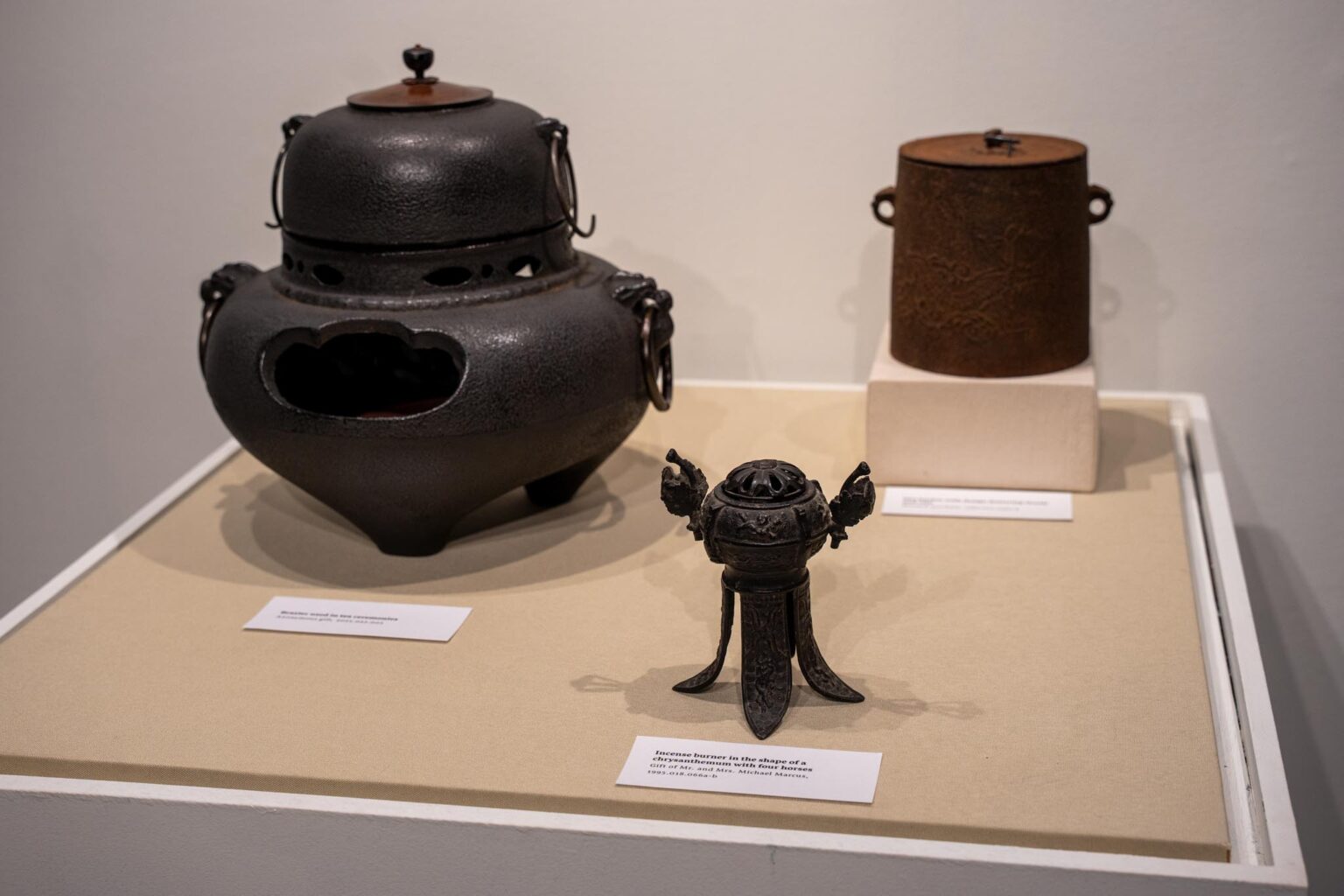
Visitors to the Yamato-kan have the opportunity to see and learn about Japanese cast iron objects from the Morikami Museum Collection. The use of iron to create farm tools and other daily implements dates to the Yayoi period (900 BCE to 248 CE) of Japan’s history. Later periods saw the rise in creating iron weapons and armor as well as items used in Buddhist temples.
By the Edo period (1603-1868), iron workers and foundries found an ideal market in iron pots (釜 kama) and cast iron tea kettles (鉄瓶 tetsubin) as the demand for their use in tea ceremonies grew.
Japanese Cast Iron Revisited showcases select pieces from the Morikami Collection, with a focus on tea kettles. On display now in the Yamato-kan.