Learn how Roji-en has matured and evolved since its opening in 2001, from Morikami’s garden designer, Hoichi Kurisu. Kurisu will discuss the initial design concept and intent for the garden as a healing space and – drawing on over sixty years in the Japanese landscape field – share ideas about how Roji-en and other Japanese-style gardens are finding new relevance by addressing some of society’s most pressing needs.
Details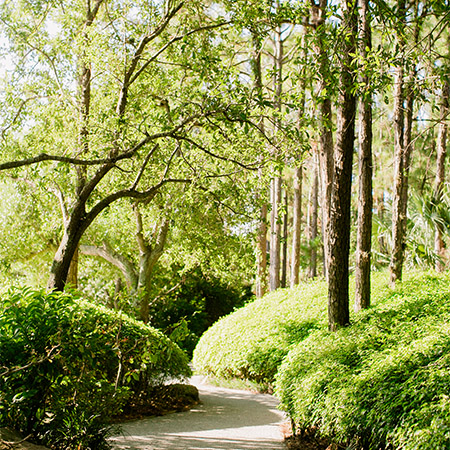
Date
- Saturday, February 20, 2027
Time
- 1 p.m.
Price
- FREE (with paid museum admission)
- No reservations. Tickets will be given out on the day of the event, at a first come, first serve basis. Limited tickets available.
Location
- Morikami Theater
Our theater tends to be cold. You may want to bring with you a sweater or jacket.
Meet the Speaker

President and Founder of Kurisu LLC, Hoichi Kurisu has been designing and building gardens for over 50 years. Born in Hiroshima, Japan, Hoichi spent his childhood among rice fields and the wild landscapes of surrounding mountains. As a small child he witnessed the atomic bomb. In the aftermath of this event, the resilience of the Japanese people and nature’s role in providing hope for the future left a deep impression on Hoichi that would influence his life and work for years to come.
Hoichi joined his father’s small landscape maintenance business in the San Fernando Valley when he arrived in the United States for the first time in the mid 1960s. There Hoichi saw firsthand both the affluence and excess of post-war American life and the impacts of an increasingly industrial society. But despite the beautiful houses and big cars, Hoichi sensed profound imbalances between material wealth and spiritual well-being. At this time, Hoichi became convinced of the power of nature to meet some of humanity’s most fundamental needs. He returned to Tokyo, Japan, to study landscape design and construction under distinguished designer Kenzo Ogata.
From 1968 to 1972, Hoichi served as Landscape Director for the Japanese Garden Society in Portland, Oregon, and supervised the construction of the Portland Japanese Garden, considered one of the finest Japanese gardens outside of Japan.